
Bali Land Due Diligence: The Water, Electricity, and Access Checks Buyers Skip
October 4, 2026
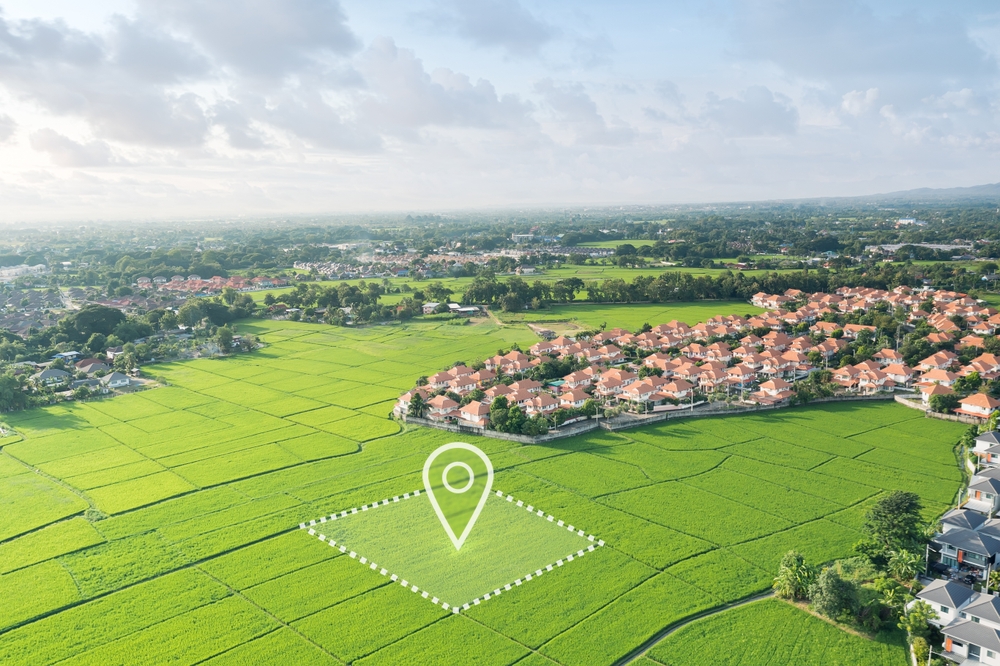
Most Bali property due diligence guides focus on the certificate: is it Hak Milik, Hak Pakai, or a leasehold agreement, and does the name on it match the seller. That check matters, but it is not the only one. Every year buyers close on land or villas that turn out to have no legal water source, an electricity connection too weak to run air conditioning and a pool pump at the same time, or no documented right of access to the public road. None of these problems show up on a land certificate. All of them are expensive to fix after you own the property.
This guide covers the three infrastructure checks that get skipped most often, why they matter more in Bali than in many other markets, and how to verify each one before you sign anything binding.
Why Infrastructure Due Diligence Is Different in Bali
In many countries, water and electricity are treated as utilities the government guarantees to any registered property. In Bali, supply is uneven. Municipal water (PDAM) does not reach every area, especially newer developments in Tabanan, parts of Ubud’s outskirts, and land carved out of former rice fields. Electricity capacity from the state utility, PLN, is allocated per connection and can be genuinely insufficient for a modern villa with air conditioning in every room, a pool system, and a full kitchen. And because much of Bali’s land was subdivided informally over decades, a parcel’s legal access to the public road is sometimes narrower, or less certain, than it looks on a site visit.
These are solvable problems if you know about them before you buy. They become expensive disputes, six-figure infrastructure bills, or permit dead-ends if you find out after.
Water: Confirm the Source, Not Just the Tap
A working tap during your viewing tells you almost nothing about long-term water security. There are three common sources on Bali land, and each carries different risk:
- PDAM (municipal water): The most reliable option where available, but coverage is inconsistent and pressure can drop in dry season or in areas with high villa density. Ask for the PDAM account number and a recent bill, not just a verbal confirmation that “it’s connected.”
- Private well (sumur bor): Extremely common, especially for villas built before an area had PDAM access. Wells can run dry or salinate (seawater intrusion) in coastal areas like Canggu, Berawa, and parts of Sanur, particularly as groundwater extraction in those areas has intensified. Ask when the well was drilled, its depth, and whether the seller has experienced any seasonal drop in yield.
- Shared or informal supply: Some land, especially in more rural areas, relies on a shared irrigation-adjacent source or an informal arrangement with a neighboring landowner. This is the riskiest category: there may be no documented right to that water at all, meaning a future dispute or a neighbor’s decision to redirect the source could leave the property without water with no legal recourse.
For any land purchase intended for construction, do not rely on the existing structure’s water source. Ask a local contractor or well-drilling company to assess groundwater viability for the specific parcel, particularly in coastal or high-density tourist areas where groundwater tables are under pressure. This is a small cost relative to discovering the issue after a villa is built.
Electricity: Check the kVA, Not Just the Connection
Almost every developed parcel in Bali has some PLN connection, so “is there electricity” is rarely the useful question. The useful question is capacity, measured in kVA (kilovolt-amperes). A standard residential connection installed years ago for a simple house is often 2,200 VA or 3,500 VA. A modern villa with multiple air conditioning units, a pool pump, an induction kitchen, and standard appliances typically needs 10,000 to 23,000 VA or more, depending on size.
Upgrading a PLN connection from a low-capacity legacy connection to villa-grade capacity requires an application through PLN, a fee scaled to the capacity increase, and in some areas, technical assessment of whether the local grid infrastructure can support the higher draw at all. In built-up tourist zones this is usually straightforward. In some newer or more remote areas, it can take months and, in rare cases, be genuinely constrained by transformer capacity in that stretch of road.
Before buying, ask for the existing kVA rating (it is printed on the PLN meter and on the electricity bill) and compare it honestly to what the finished property will need. If you plan to build or renovate, get a written estimate from an electrical contractor on the upgrade cost and expected timeline before you finalize the purchase price, not after.
Road Access: Confirm the Legal Right, Not Just the Physical Path
A path leading from the public road to the parcel does not automatically mean the property has a legal right of access. In areas where land was subdivided from larger family-owned or agricultural parcels, access is sometimes granted informally by a neighboring landowner, or exists only by longstanding practice rather than a registered easement. If that neighboring owner sells their land, changes their mind, or a dispute arises, an undocumented access route can be closed or blocked.
This matters for two separate reasons. First, ongoing use: you need a road you can actually rely on reaching your property for as long as you own it. Second, permitting: Indonesia’s building permit process (PBG, replacing the older IMB system) typically requires documentation of legal access and, for anything beyond a minor structure, a minimum road width for construction and emergency vehicle access. A parcel that is only reachable by a narrow footpath, however charming, may not qualify for the permit needed to build what you intend to build.
To check this properly: ask the seller or their notary for any registered easement or right-of-way document (often referenced in the land certificate itself as “hak lalu lintas” or similar language), have your notary confirm the access route matches what is documented, and separately confirm minimum road-width requirements with the local Dinas PUPR (public works office) or your permit consultant if construction is planned.
A Practical Due Diligence Checklist
Before signing a binding purchase agreement (AJB or PPJB) on Bali land or a villa, in addition to standard certificate and ownership-structure checks, confirm:
- Water source is identified in writing (PDAM account, well documentation, or other), with recent usage history where available.
- For coastal or high-density areas, a groundwater viability assessment if the source is or will be a private well.
- Current electrical capacity (kVA) matches or can be feasibly upgraded to your intended use, with a contractor quote if upgrade is needed.
- Legal access to the public road is documented, not just physically present, and matches the width and type required for any construction or renovation plans.
- All of the above are reviewed by your own notary (PPAT) or an independent consultant, not only confirmed verbally by the seller or their agent.
None of these checks are exotic. They are standard practice for experienced buyers and are typically inexpensive relative to the cost of discovering a problem after the certificate has transferred. The land certificate tells you who owns the ground. It does not tell you whether that ground can support the life or business you are planning to build on it.
Related Reading
-
 Bali vs Phuket vs Koh Samui: Comparing Southeast Asia's Top Property Markets for Foreign Buyers05 Oct 2026
 -
Bali Land Due Diligence: The Water, Electricity, and Access Checks Buyers Skip04 Oct 2026
-
 Bali Property Insurance: What It Covers, What It Doesn't, and What It Costs03 Oct 2026
 -
 Renovating a Villa in Bali: Permits, Costs, and What Actually Needs a PBG02 Oct 2026
 -
 What Happens to Your Bali Property When You Die: Inheritance for Foreign Owners01 Oct 2026
 -
How to Spot and Avoid Bali Property Scams (2026)30 Sep 2026