
Bali Villas for Sale – Luxury Living & Investment in 2026
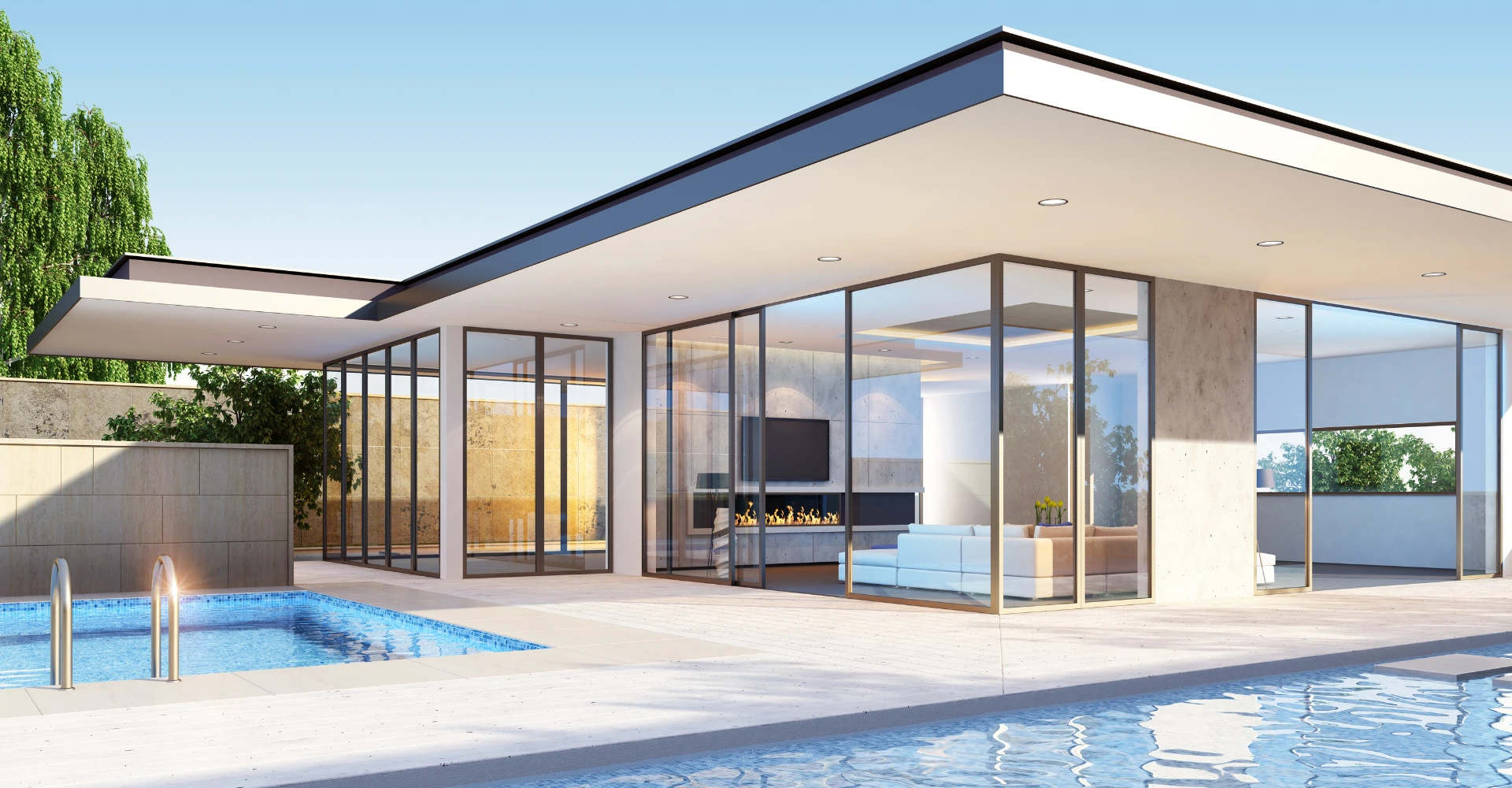
Dreaming of owning a slice of paradise? Find Bali Property offers an exclusive selection of Bali villas for sale, blending luxury, comfort, and tropical beauty. Whether you’re searching for a private retreat, a holiday rental investment, or a permanent residence, Bali’s villa market caters to a wide range of budgets and lifestyles — from beachfront estates in Seminyak to jungle retreats in Ubud.
Bali Villa Prices in 2026
Villa prices vary significantly by area, driven mostly by land scarcity and proximity to the beach:
| Area | Median Villa Price (2026) | Gross Rental Yield |
|---|---|---|
| Seminyak | ≈ USD 401,570 | 10–14% |
| Canggu | ≈ USD 355,000 | 12–18% |
| Ubud | ≈ USD 340,000 | 8–12% |
| Uluwatu & Jimbaran | ≈ USD 280,000–450,000 | 10–15% |
(Source: Magnum Estate, Bali Property Market Report 2026) Entry-level two-bedroom villas can start below USD 150,000 in less established areas, while beachfront estates in prime Seminyak or Uluwatu locations can run well past USD 1 million.
Why Invest in Bali Villas?
- Strong Investment Potential:
Bali is a global tourist hotspot, making villas an excellent choice for short-term rental income. High occupancy rates and a growing tourism sector support solid returns. - Luxury and Lifestyle:
Bali villas epitomize tropical luxury — ocean views, private pools, and evenings surrounded by nature are the norm rather than the exception. - Affordability Relative to Other Markets:
Compared to Phuket, the Maldives, or Southern Europe, Bali still offers competitively priced luxury property, though prices have risen steadily since 2023.
Popular Locations for Bali Villas
- Seminyak: Bali’s most established luxury villa market, with easy access to beach clubs, restaurants, and nightlife.
- Canggu: A trendy, fast-growing area known for its surf culture, co-working cafes, and large expat community.
- Ubud: Ideal for buyers craving tranquility and a connection with Bali’s spiritual and artistic roots.
- Uluwatu & Jimbaran: Cliffside villas with dramatic ocean views and a quieter, more residential pace of life.
Rental Yield & ROI
Gross rental yield — annual rental income divided by purchase price — typically runs 8–18% across Bali’s main villa markets, with Canggu and Uluwatu on the higher end and Ubud on the lower end due to a shorter peak season. After professional management fees (commonly 20–30% of revenue), maintenance, and vacancy, realistic net yield lands closer to 5–10%. Annual property tax (PBB) is low by international standards, generally around 0.1–0.2% of assessed value.
Types of Villas Available
- Freehold Villas (Hak Milik): Reserved for Indonesian citizens; foreigners can only access this via nominee structures, which carry legal risk and are not recommended without proper legal structuring.
- Leasehold Villas (Hak Sewa): The most common and secure option for foreigners, offering long-term usage rights, typically 25–30 years with renewal options.
- Off-Plan Villas: Suited to investors who want to customize a property or capture capital appreciation during construction — but carry developer and completion risk.
If land ownership rather than a finished villa is the goal, see our guide to buying land in Bali for the legal structures available to foreign buyers.
Step-by-Step: How to Buy a Villa in Bali
- Define your goal: personal use, rental investment, or both — this determines location and villa type.
- Set a realistic budget including the purchase price, notary and legal fees (roughly 1–3%), and annual holding costs.
- Engage a licensed notary (PPAT) and an independent lawyer — not just the seller’s or developer’s in-house notary.
- Verify the certificate (Hak Milik, Hak Guna Bangunan, or Hak Pakai) and confirm it matches the land registered at the local Badan Pertanahan Nasional (BPN) office.
- Choose your legal structure — a long-term leasehold agreement or a PT PMA (foreign-owned company) if you want the option to hold Hak Guna Bangunan rights.
- Sign the agreement and complete due diligence on zoning, building permits (PBG, formerly IMB), and any outstanding taxes before transferring funds.
Legal Insights for Buying a Bali Villa
For foreigners, understanding Indonesian property law is essential before committing. Leasehold agreements and a PT PMA (Foreign Investment Company) remain the two most secure routes to long-term villa ownership. Partnering with an experienced, independent legal advisor — rather than relying solely on the seller’s representative — helps ensure compliance with zoning rules, tax obligations, and property rights.
Tips for Villa Buyers
- Engage Reputable Agents: Work with real estate professionals who have a verifiable track record in the Bali market.
- Check Property Documentation: Verify land certificates, zoning compliance, and building permits before signing anything.
- Plan Your Investment Goals: Decide upfront whether the villa is a personal residence, a vacation home, or a rental-first investment — this shapes everything from location to layout.
- Do Your Due Diligence: Research market trends, realistic yields, and the neighborhood — including flood risk and water availability — before finalizing a purchase.
Frequently Asked Questions
How much does a villa in Bali cost in 2026?
Prices vary widely by area: expect roughly USD 340,000–400,000 median in prime areas like Seminyak, Canggu, and Ubud, with entry-level villas available below USD 150,000 in less established areas and beachfront estates exceeding USD 1 million.
Can foreigners own a villa in Bali?
Foreigners cannot hold freehold (Hak Milik) title directly. Most buy via long-term leasehold agreements (typically 25–30 years) or by establishing a PT PMA company that can hold Hak Guna Bangunan rights.
What rental yield can I expect from a Bali villa?
Gross yields typically range 8–18% depending on area and property management. After fees and costs, realistic net yield is closer to 5–10%.
Which area is best for buying a villa in Bali?
It depends on your goal: Seminyak offers the most established rental market and easiest resale, Canggu offers the highest growth and yields, and Ubud suits buyers prioritizing lifestyle and tranquility over short-term returns.
What ongoing costs come with owning a Bali villa?
Beyond the purchase price, budget for annual property tax (PBB, roughly 0.1–0.2% of assessed value), property management fees (20–30% of rental revenue if renting), maintenance, and staff costs (a villa manager, gardener, or pool maintenance) if not self-managed.
From beachfront escapes to tranquil jungle retreats, Bali’s villas offer something for nearly every buyer. Compare areas, understand the legal structure that fits your situation, and start your search for the right villa with a clear picture of costs and returns.
-
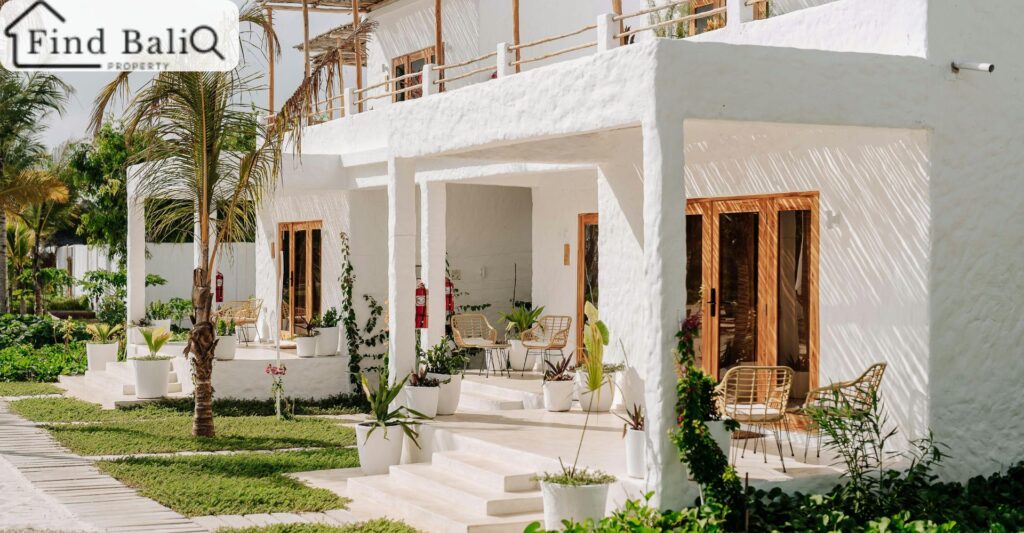 Best Areas in Bali for Rental Yield: Canggu, Uluwatu, Ubud, and Sanur Compared09 Oct 2026
 -
 Bali vs Phuket vs Koh Samui: Comparing Southeast Asia's Top Property Markets for Foreign Buyers05 Oct 2026
 -
 Bali Land Due Diligence: The Water, Electricity, and Access Checks Buyers Skip04 Oct 2026
 -
 Bali Property Insurance: What It Covers, What It Doesn't, and What It Costs03 Oct 2026
© COPYRIGHT BY VIC RANCI – ALL RIGHT RESERVED.