
Buying Land in Bali: What You Need to Know Before Investing
June 29, 2026
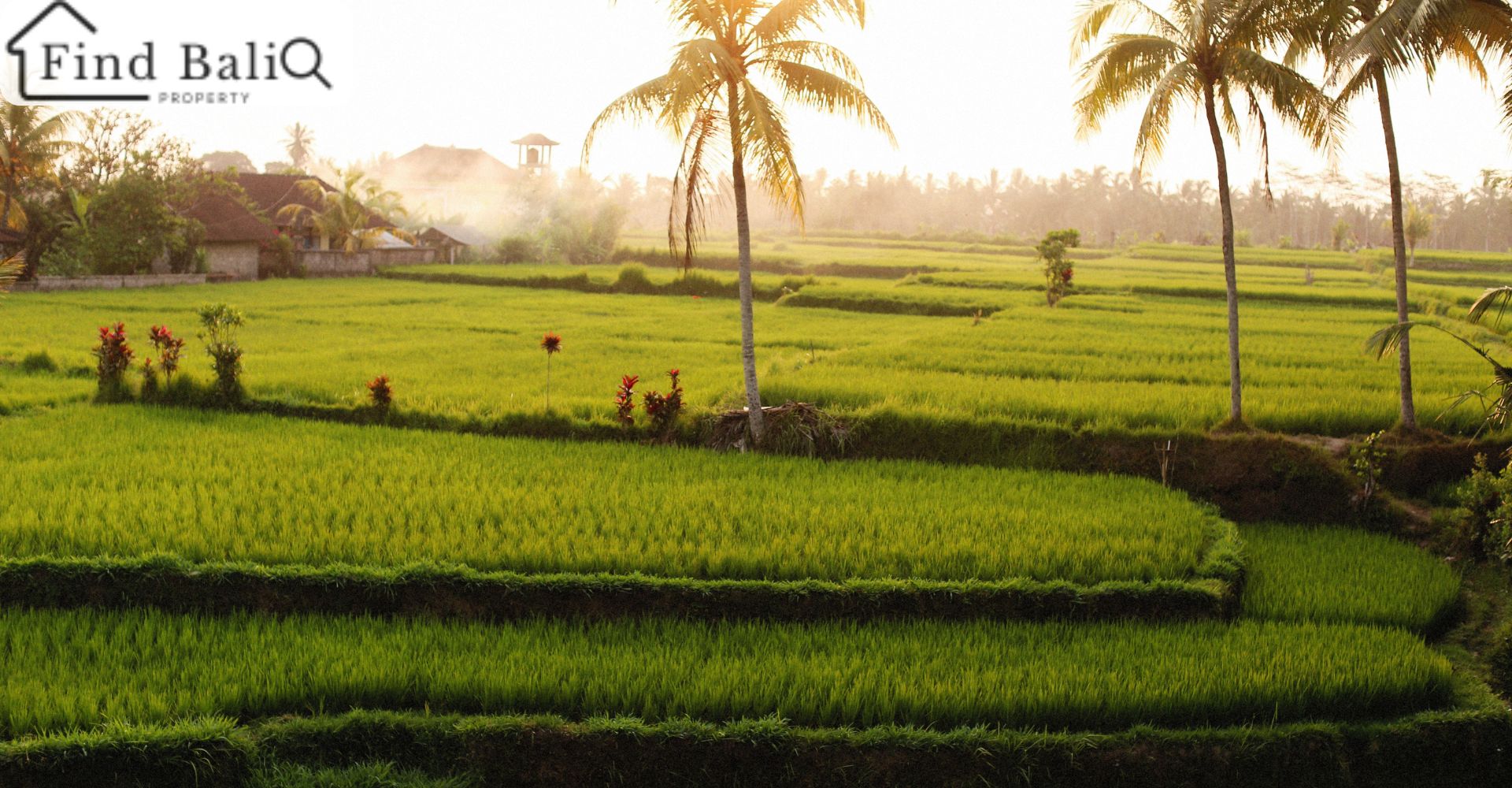
For many investors, buying land in Bali represents one of the most attractive opportunities in the local property market. Unlike purchasing an existing villa, land provides flexibility. Investors can design and build a project that aligns with their goals, whether that’s a private residence, rental villa, hospitality venture, or long-term investment.
At the same time, buying land often involves more complexity than purchasing a completed property. Questions about zoning, legal ownership structures, access rights, permits, infrastructure, and future development potential all need careful consideration.
Many of the most expensive mistakes in Bali real estate happen during land purchases, not villa purchases. If you’re new to the market, it is worth first understanding Can Foreigners Buy Property in Bali and the various legal ownership structures available to foreign investors.
Why Land Investment Continues to Attract Buyers
Land is a finite asset. While villas can be renovated or rebuilt, desirable land in premium locations becomes increasingly limited over time. This is one reason investors continue to look at land opportunities across Bali.
Popular motivations include:
- Building a custom villa
- Creating a holiday rental property
- Developing multiple villas
- Launching a hospitality project
- Land banking for future appreciation
- Portfolio diversification
Many investors prefer land because it provides complete control over the development process. Instead of inheriting another developer’s design choices, investors can create a property tailored to market demand.
As discussed in our guide on Bali Property Market Trends 2026, demand continues to be driven by tourism, lifestyle migration, remote work trends, and international buyer interest.
Can Foreigners Buy Land in Bali?
This is often the first question buyers ask. The answer requires some explanation. Foreigners cannot directly own freehold land (Hak Milik) under their personal name in Indonesia. However, foreigners can legally participate in property and land investments through approved ownership structures.
Common approaches include:
- Leasehold arrangements
- Hak Pakai structures
- PT PMA investment structures
The most appropriate option depends on the investor’s objectives. Someone purchasing land for a private residence may have different requirements than someone developing a commercial hospitality project. Before proceeding with any purchase, investors should understand the differences outlined in our guide to Leasehold vs Freehold Property in Bali Explained.
Understanding Bali’s Zoning System
One of the biggest mistakes land buyers make is focusing entirely on location while ignoring zoning. Zoning determines what can legally be built on a piece of land.
A beautiful plot overlooking rice fields may appear attractive, but if development restrictions exist, the investment may not perform as expected.This is why zoning verification should be one of the first steps in any land acquisition process.
Residential Zone (Yellow Zone)
Yellow zoning is commonly associated with residential development. Many villa projects are developed within residential zones.
These areas often support:
- Private homes
- Residential villas
- Certain small-scale developments
However, zoning regulations can vary between regions. Always verify local requirements before proceeding.
Tourism Zone
Tourism zoning often supports hospitality-related projects.
Examples may include:
- Rental villas
- Resorts
- Boutique hotels
- Hospitality businesses
Tourism zones are frequently attractive to investors seeking rental income opportunities.
Commercial Zone
Commercial zoning can support:
- Restaurants
- Retail spaces
- Offices
- Mixed-use developments
Commercial opportunities may be particularly attractive in high-traffic tourism areas.
Green Zone
Green zones are generally intended to protect agricultural land and environmental resources. Development restrictions are often significant. One of the most common mistakes investors make is assuming scenic agricultural land can automatically be developed. This assumption can become extremely expensive. Professional due diligence is essential.
Why Road Access Is Critical
Road access is one of the most overlooked aspects of land investment. A property may appear attractive online but present serious challenges during development.
Before purchasing, investors should verify:
- Legal access rights
- Road ownership
- Vehicle accessibility
- Emergency access
- Future infrastructure plans
Road width can also influence future construction possibilities. Certain development approvals may depend on adequate access.
Understanding Land Certificates
Verifying ownership documentation is one of the most important parts of the buying process.
Investors should ensure that:
- Ownership records are clear
- Boundaries are properly documented
- Certificates match official records
- No unresolved disputes exist
Professional legal assistance can significantly reduce risk during this stage. Attempting to shortcut legal verification often creates larger problems later.
Infrastructure and Utility Considerations
Not every parcel of land offers the same level of infrastructure. Infrastructure costs can dramatically affect project budgets.
Before purchasing land, investors should review:
- Electricity availability
- Water access
- Internet connectivity
- Drainage systems
- Road conditions
A cheaper parcel of land may ultimately become more expensive if major infrastructure investments are required.
Best Areas to Buy Land in Bali
Different areas appeal to different investment strategies.
The right location depends on your goals.
Canggu
Canggu remains one of Bali’s most active property markets.
Key advantages include:
- Strong tourism demand
- Digital nomad community
- Established infrastructure
- Rental market activity
Challenges include rising land prices and increasing competition.
Investors researching the area may also find our guide on Canggu vs Ubud vs Seminyak useful.
Pererenan
Pererenan has emerged as one of Bali’s fastest-growing areas.
Buyers are attracted by:
- Lifestyle appeal
- Premium villa developments
- Growth potential
- Proximity to Canggu
Many investors view Pererenan as one of the island’s most interesting long-term opportunities.
Uluwatu
Uluwatu continues to attract attention from:
- Luxury villa developers
- Hospitality investors
- Lifestyle buyers
Ocean views and ongoing infrastructure improvements continue to support demand.
Ubud
Ubud appeals to a different buyer profile.
Popular projects include:
- Wellness retreats
- Boutique accommodation
- Long-term residential developments
Investors targeting wellness tourism often consider Ubud a strong option.
Nyanyi and Seseh
These emerging locations continue to gain attention.
While still developing, many investors view them as potential growth markets over the coming years.
Common Mistakes Land Buyers Make
Even experienced investors can make mistakes when purchasing land.
Common issues include:
Ignoring Zoning
Never assume development is allowed. Always verify.
Failing to Check Access Rights
Road access issues can significantly impact project viability.
Skipping Due Diligence
Independent verification is essential.
Underestimating Development Costs
Land acquisition is only one component of the total investment.
Buying Based Solely on Price
Cheap land is not always good value.
The best opportunities often balance location, legal certainty, infrastructure, and future demand.
Due Diligence Checklist
Before purchasing land in Bali, investors should review:
✓ Ownership documentation
✓ Zoning classification
✓ Road access rights
✓ Utility availability
✓ Environmental restrictions
✓ Development permissions
✓ Tax obligations
✓ Survey information
✓ Boundary verification
✓ Future infrastructure plans
Thorough due diligence often separates successful investments from problematic ones.
Is Buying Land Better Than Buying a Villa?
This depends entirely on your goals.
Buying land may be suitable if you want:
- Design flexibility
- Development control
- Long-term projects
- Potential value creation
Buying an existing villa may be preferable if you want:
- Immediate use
- Faster rental income
- Lower development complexity
Neither option is universally better.
The right choice depends on your objectives, budget, experience, and timeline.
Planning to Build? Consider Future Costs
Many investors buy land with the intention of building. This introduces additional considerations including:
- Architectural design
- Permits
- Construction costs
- Project management
- Contractor selection
- Furnishing budgets
These costs should be considered before purchasing land.Our future guide on How Much Does It Cost to Build a Villa in Bali? will explore these topics in greater detail.
Long-Term Outlook for Bali Land Investment
While no investment is guaranteed, several factors continue to support long-term interest in Bali property:
- Tourism demand
- Lifestyle migration
- Remote work trends
- International buyer interest
- Infrastructure development
The strongest opportunities often come from combining careful due diligence with long-term thinking. Investors who focus solely on short-term gains may overlook important fundamentals.
Buying land in Bali can create exciting opportunities for investors, developers, and lifestyle buyers. However, successful land investments require more than simply finding an attractive location.
The strongest projects are built on:
- Proper legal structures
- Thorough due diligence
- Appropriate zoning
- Strong locations
- Realistic development plans
Whether you’re planning to build a private villa, create a rental property, or hold land for future appreciation, careful preparation is essential.
If you’re exploring land opportunities in Bali and would like guidance on evaluating locations, zoning considerations, or available land listings, the team at Find Bali Property can help you compare opportunities and identify options that align with your goals.
Related Reading
-
 Best Areas in Bali for Rental Yield: Canggu, Uluwatu, Ubud, and Sanur Compared09 Oct 2026
 -
 Bali vs Phuket vs Koh Samui: Comparing Southeast Asia's Top Property Markets for Foreign Buyers05 Oct 2026
 -
 Bali Land Due Diligence: The Water, Electricity, and Access Checks Buyers Skip04 Oct 2026
 -
 Bali Property Insurance: What It Covers, What It Doesn't, and What It Costs03 Oct 2026
 -
 Renovating a Villa in Bali: Permits, Costs, and What Actually Needs a PBG02 Oct 2026
 -
 What Happens to Your Bali Property When You Die: Inheritance for Foreign Owners01 Oct 2026
© COPYRIGHT BY VIC RANCI – ALL RIGHT RESERVED.