
How Much Does It Cost to Build a Villa in Bali in 2026?
June 29, 2026
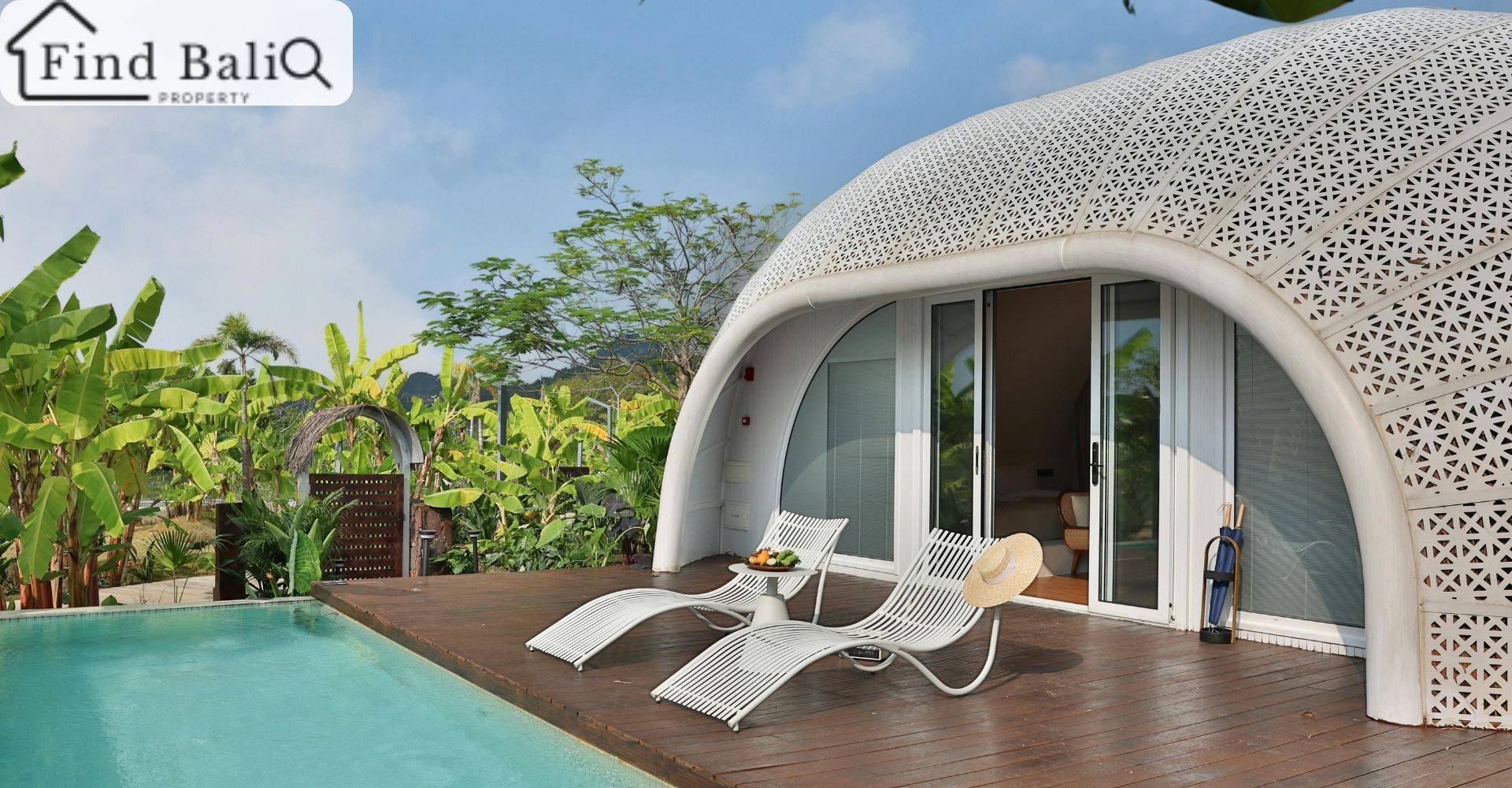
Building a villa in Bali is a goal shared by many property investors, lifestyle buyers, and future residents. For some, the dream is a private tropical home. For others, it is an investment property designed to generate rental income. Whatever the objective, one question always comes first:
How much does it actually cost to build a villa in Bali?
The answer depends on several factors, including location, land price, villa size, construction quality, design complexity, and furnishing standards. Many first-time investors underestimate the total development budget because they focus only on construction costs while overlooking land acquisition, permits, design fees, infrastructure, and finishing costs.
This guide explains the key expenses involved in building a villa in Bali and how investors can budget more effectively. If you are still considering whether to buy land or purchase an existing property, our guides on Buying Land in Bali and How Much Does It Cost to Buy Property in Bali in 2026? provide useful comparisons.
Why Investors Choose to Build Instead of Buy
While many buyers purchase completed villas, others prefer to build from the ground up. Building offers several advantages.
These include:
- Full design control
- Modern construction standards
- Customized layouts
- Potential value creation
- Unique rental positioning
Instead of adapting an existing property, investors can create something specifically designed for their objectives.
This is particularly attractive in competitive markets where distinctive villas often perform better than generic properties.
The Main Costs of Building a Villa in Bali
Many buyers assume construction is the largest expense. In reality, several major cost categories contribute to the final budget.
These include:
- Land acquisition
- Design and architecture
- Construction
- Permits and legal fees
- Furnishing
- Landscaping
- Utilities and infrastructure
- Contingency costs
Successful developers plan for all of these expenses from the beginning.
Land Acquisition Costs
Before construction begins, investors need land. Land prices vary dramatically across Bali. Factors affecting land prices include:
- Location
- Road access
- Zoning
- Views
- Tourism demand
- Infrastructure availability
Prime locations such as:
- Canggu
- Pererenan
- Seminyak
- Uluwatu
typically command higher prices than emerging areas. Investors researching land opportunities should also review our guide on Best Areas to Buy Property in Bali for Investment in 2026.
Choosing the Right Location
Location affects more than land prices.
It also influences:
- Rental demand
- Construction logistics
- Future resale value
- Development opportunities
For example:
Canggu
Strong rental demand but higher land costs.
Pererenan
Popular growth market with increasing investor interest.
Uluwatu
Luxury positioning and strong long-term potential.
Ubud
Appeals to wellness and retreat-focused developments.
Sanur
Family-oriented market with stable demand.
Location decisions often have a greater impact on investment performance than construction costs themselves.
Architectural Design Costs
Professional design is one of the most important parts of a successful project. Architects help investors:
- Optimize layouts
- Improve functionality
- Increase rental appeal
- Manage building efficiency
Good design often contributes directly to future property value.
Many investors who try to minimize design costs later discover that poor layouts reduce guest satisfaction and rental performance.
Construction Costs
Construction represents one of the largest portions of the overall budget. Several factors influence construction costs.
Villa Size
Larger villas naturally require:
- More materials
- More labor
- Longer build times
A four-bedroom villa generally costs significantly more to build than a two-bedroom villa.
Construction Quality
Construction quality can dramatically influence budgets.
Higher-end projects often include:
- Premium materials
- Imported finishes
- Custom furniture
- Advanced technology systems
Luxury villas typically require larger budgets but may also command higher rental rates.
Design Complexity
Simple layouts are usually more cost-effective. Complex architectural features can increase:
- Labor requirements
- Material costs
- Construction timelines
Investors should balance design ambition with budget realities.
Permit and Legal Costs
Every development project involves legal and administrative requirements. These may include:
- Building permits
- Development approvals
- Legal reviews
- Documentation
Requirements can vary depending on location and project type. Professional guidance is strongly recommended.
Utility Infrastructure Costs
Not all land parcels are equally prepared for development. Additional costs may include:
- Electricity connections
- Water systems
- Internet installation
- Drainage infrastructure
- Access improvements
Infrastructure costs are often overlooked during early budgeting stages.
Furnishing Costs
A villa is not complete when construction ends. Investors must also budget for:
- Furniture
- Appliances
- Lighting
- Decor
- Kitchen equipment
- Outdoor furnishings
For rental properties, furnishing quality can significantly influence guest experience and occupancy levels.
Landscaping and Outdoor Areas
Outdoor spaces are particularly important in Bali. Many guests prioritize:
- Swimming pools
- Gardens
- Outdoor lounges
- Entertainment areas
Landscaping should be viewed as part of the overall guest experience rather than an optional extra.
How Long Does It Take to Build a Villa?
Construction timelines vary depending on:
- Project size
- Weather conditions
- Permit processes
- Contractor availability
- Design complexity
Many villa projects require careful planning and project management to remain on schedule. Investors should always allow for potential delays.
Common Budgeting Mistakes
Many first-time developers make avoidable mistakes.
Underestimating Total Costs
Construction is only one component of the overall budget.
Ignoring Contingency Funds
Unexpected expenses occur in almost every development project. Many experienced developers allocate contingency budgets from the beginning.
Choosing Price Over Quality
Selecting the cheapest option is not always the most cost-effective approach. Poor construction quality may create expensive maintenance issues later.
Focusing Only on Construction Costs
Location, design, and management often have a larger influence on investment performance than construction savings.
Building for Personal Use vs Rental Investment
Development goals should influence design decisions.
Private Residence
Buyers building a personal home may prioritize:
- Lifestyle
- Comfort
- Long-term usability
Rental Villa
Investors may prioritize:
- Occupancy
- Guest experience
- Operational efficiency
- Return on investment
Understanding the intended purpose of the property helps guide development decisions.
Is Building a Villa Better Than Buying One?
The answer depends on your objectives. Building may be attractive if you want:
- Design control
- Modern construction
- Development flexibility
Buying an existing villa may be attractive if you want:
- Immediate use
- Faster rental income
- Reduced development complexity
There is no universally correct answer. Both approaches can work when aligned with the investor’s goals.
Does Building a Villa Increase Investment Returns?
Potentially, yes. A well-executed development may create value through:
- Strategic location selection
- Modern design
- Efficient layouts
- Strong rental positioning
However, development also introduces additional risk and complexity. Investors should approach projects with realistic expectations. For a broader discussion of investment performance, see our guide on Is Bali Property a Good Investment in 2026?
Building a villa in Bali can be an exciting and rewarding project. However, successful developments require careful planning, realistic budgeting, and professional guidance.
The strongest projects typically combine:
- Quality locations
- Thoughtful design
- Strong construction standards
- Realistic financial planning
- Long-term investment thinking
Whether you’re planning a private residence, a holiday home, or an income-generating villa, understanding the full development process is essential before purchasing land or beginning construction. If you’re exploring land opportunities, villa development projects, or investment properties in Bali, the team at Find Bali Property can help you evaluate locations, compare opportunities, and identify options that align with your goals and budget
Related Reading
- Renovating a Villa in Bali: Permits, Costs, and What Actually Needs a PBG
- Bali Property Insurance: What It Covers, What It Doesn’t, and What It Costs
- Bali Land Due Diligence: The Water, Electricity, and Access Checks Buyers Skip
- Villa Property Management in Bali: What Owners Need to Know Before Hiring One
-
 Best Areas in Bali for Rental Yield: Canggu, Uluwatu, Ubud, and Sanur Compared09 Oct 2026
 -
 Bali vs Phuket vs Koh Samui: Comparing Southeast Asia's Top Property Markets for Foreign Buyers05 Oct 2026
 -
 Bali Land Due Diligence: The Water, Electricity, and Access Checks Buyers Skip04 Oct 2026
 -
 Bali Property Insurance: What It Covers, What It Doesn't, and What It Costs03 Oct 2026
 -
 Renovating a Villa in Bali: Permits, Costs, and What Actually Needs a PBG02 Oct 2026
 -
 What Happens to Your Bali Property When You Die: Inheritance for Foreign Owners01 Oct 2026