
Bali Property Market Trends 2026: What Buyers and Investors Need to Know
June 26, 2026
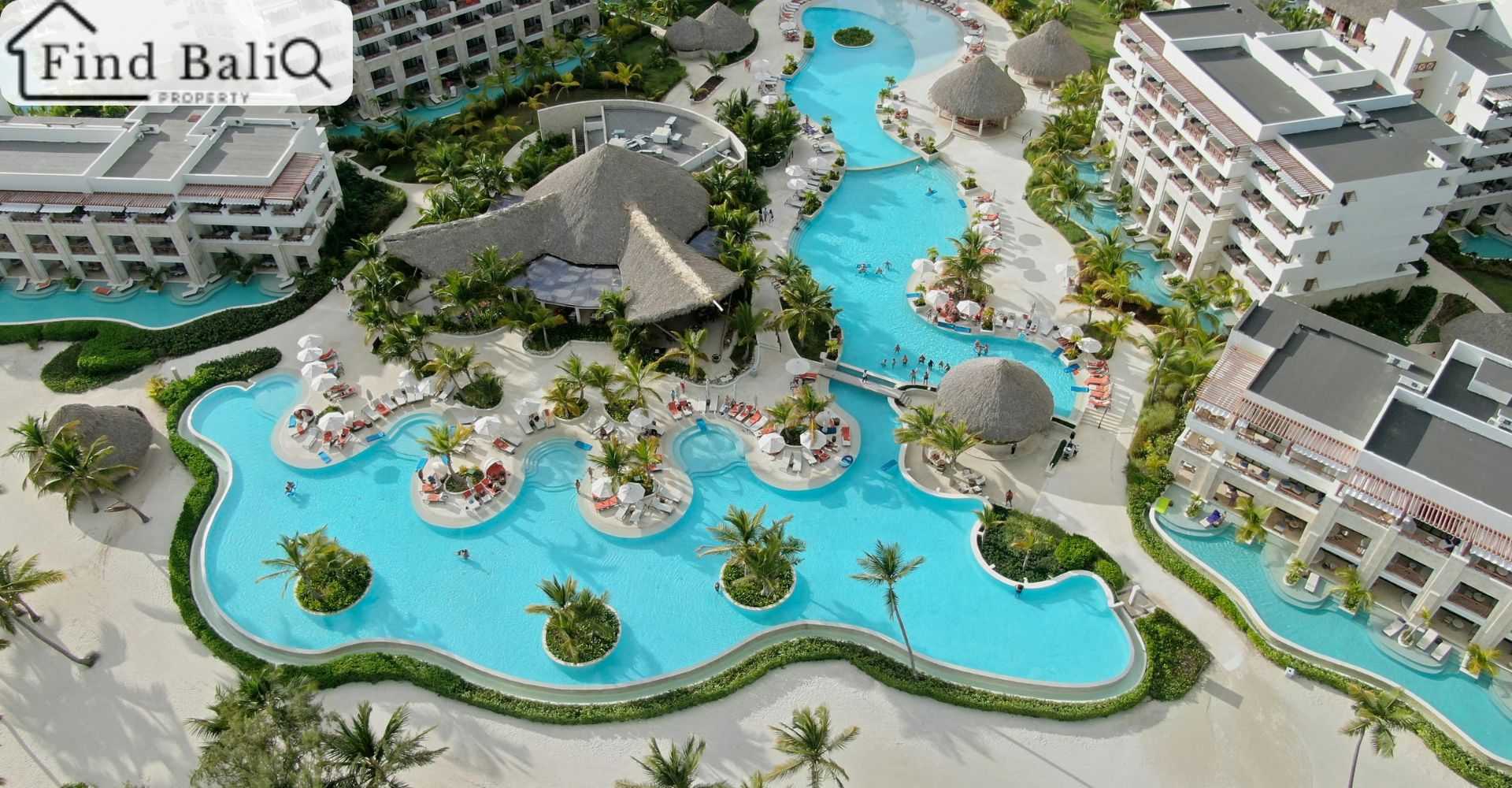
Bali’s property market continues to attract international attention in 2026. For many buyers, Bali offers a unique combination of lifestyle appeal, tourism demand, and investment potential that is difficult to find elsewhere in Southeast Asia. From luxury villas in Uluwatu to rental properties in Canggu and wellness-focused developments in Ubud, the island continues to evolve as both a lifestyle destination and a property market.
However, the Bali property market is changing. Buyers today are more informed. Competition among developers has increased. New areas are emerging. Rental markets are becoming more sophisticated. At the same time, investors are paying closer attention to legal structures, due diligence, and long-term sustainability.
If you’re considering purchasing a villa, apartment, land, or commercial property in Bali, understanding current market trends can help you make a more informed decision.
Before investing, it is also worth understanding the legal framework discussed in our guide on Can Foreigners Buy Property in Bali, as ownership structures continue to influence how foreign buyers enter the market.
Is the Bali Property Market Still Growing?
The short answer is yes. While the rapid post-pandemic recovery phase has matured, Bali continues to experience strong demand from several buyer groups:
- Foreign investors
- Digital nomads
- Remote workers
- Lifestyle entrepreneurs
- Retirees
- Hospitality operators
- Indonesian domestic investors
Unlike previous cycles that were heavily dependent on tourism alone, today’s market benefits from a broader mix of demand. Many buyers are no longer purchasing property solely as holiday homes. Instead, they are looking for:
- Long-term lifestyle assets
- Hybrid work environments
- Rental income opportunities
- Retirement residences
- Business opportunities
This shift has helped create a more diversified property market.
The Rise of Lifestyle-Driven Property Investment
One of the most important trends in 2026 is the blending of lifestyle and investment goals. Several years ago, many buyers focused almost entirely on rental returns.
Today, buyers increasingly ask:
- Can I enjoy the property myself?
- Can it generate income when I’m not using it?
- Is the location suitable for long-term living?
- Does the area have strong infrastructure?
This trend has fueled demand for villas that combine functionality with lifestyle appeal.
Properties that offer:
- Home office space
- Reliable internet
- Modern design
- Privacy
- Wellness features
often attract both guests and long-term residents. This trend is particularly visible in areas such as Canggu, Pererenan, and Uluwatu.
Villa Demand Remains Strong
Villas remain the most sought-after property type in Bali. There are several reasons for this. First, villas align with what many visitors expect from a Bali experience.
Unlike urban apartment markets, Bali’s tourism appeal is closely connected to private accommodation, outdoor living spaces, pools, gardens, and tropical architecture. Second, villas offer flexibility.
Owners may use them as:
- Personal residences
- Holiday homes
- Short-term rentals
- Long-term rentals
- Mixed-use lifestyle investments
Many buyers exploring villas for sale in Bali are attracted by this flexibility. However, not all villa markets perform equally. Location, property quality, management standards, and competition all play significant roles.
The Most Active Property Markets in Bali
While Bali is a relatively small island, different areas attract very different types of buyers. Understanding these differences is critical.
Canggu
Canggu remains one of Bali’s most competitive property markets.
The area continues to attract:
- Digital nomads
- Entrepreneurs
- Young professionals
- Long-stay visitors
Its combination of cafes, restaurants, coworking spaces, fitness facilities, and beach access continues to drive demand.
Investors looking at property in Canggu often prioritize rental performance and occupancy potential.
However, competition is also increasing.
Buyers need to focus on quality, location, and management rather than assuming all properties will perform equally.
Pererenan
Pererenan has emerged as one of Bali’s fastest-growing property markets.
Many buyers view it as a natural extension of Canggu.
The area offers:
- A quieter atmosphere
- Premium villa developments
- Growing tourism appeal
- Strong lifestyle demand
As development continues, Pererenan remains a location worth monitoring closely.
Uluwatu
Uluwatu has transformed significantly over the last few years.
Once primarily known for surf tourism, it now attracts:
- Luxury buyers
- Boutique hospitality operators
- Wellness-focused developments
- High-end villa investors
Ocean views, dramatic cliffs, and expanding infrastructure continue to support demand.
Many investors exploring property in Uluwatu view the area as a long-term growth market.
Ubud
Ubud continues to attract a different buyer profile.
Instead of nightlife and beach clubs, buyers are drawn to:
- Nature
- Wellness tourism
- Yoga retreats
- Long-term living
Many buyers choose Ubud for lifestyle reasons first and investment potential second.
This creates a unique market dynamic compared to Canggu or Seminyak.
Seminyak
Seminyak remains one of Bali’s most established tourism destinations.
While newer areas often receive more attention, Seminyak benefits from:
- Mature infrastructure
- Strong brand recognition
- Consistent tourism demand
- Established hospitality networks
For buyers seeking proven locations rather than emerging markets, Seminyak remains relevant.
Land Investment Continues to Attract Attention
Land remains one of the most discussed asset classes in Bali. Many investors are interested in purchasing land because of its development potential. However, land investment requires greater due diligence than completed properties.
Before purchasing land, investors should understand:
- Zoning regulations
- Access rights
- Utility availability
- Building restrictions
- Environmental considerations
Anyone considering land investment should review our guide on Buying Land in Bali: What You Need to Know before making a decision.
Rental Market Trends in 2026
The rental market remains one of the primary drivers of Bali property investment. However, rental demand is becoming more segmented. Rather than serving a single tourist market, Bali now attracts:
- Short-term holiday guests
- Digital nomads
- Long-stay professionals
- Families
- Retirees
This diversification creates opportunities for different property types.
Properties designed for modern travelers often include:
- Dedicated workspaces
- High-speed internet
- Flexible living areas
- Professional management
Investors should focus on genuine guest demand rather than relying solely on optimistic rental projections.
Quality Is Becoming More Important
Several years ago, simply owning a villa in a popular area could generate strong occupancy. Today’s market is more competitive. Guests have more choices. Buyers have more options. As a result, quality matters more than ever.
Successful properties often stand out because of:
- Superior design
- Better locations
- Strong branding
- Professional management
- Consistent guest experience
This trend is expected to continue.
Foreign Buyers Are Becoming More Sophisticated
Foreign buyers today conduct significantly more research before investing.
Many now understand:
- Ownership structures
- Leasehold considerations
- Due diligence requirements
- Market risks
As a result, buyers are asking more detailed questions. Many start by reading resources such as:
- Can Foreigners Buy Property in Bali
- Leasehold vs Freehold Property in Bali Explained
- Common Mistakes Foreign Buyers Make in Bali
This trend benefits buyers who take the time to educate themselves before investing.
What Risks Should Investors Watch?
Despite positive market conditions, risks still exist. Common risks include:
Poor Due Diligence
Failing to verify documents, permits, and ownership structures.
Unrealistic Rental Expectations
Assuming future performance without proper market analysis.
Weak Locations
Choosing properties based solely on price.
Poor Construction Quality
Ignoring building standards and maintenance requirements.
Legal Misunderstandings
Not fully understanding leasehold agreements or ownership rights.
Investors who avoid these mistakes often achieve better long-term outcomes.
What Does the Future Look Like?
While no market can guarantee future performance, several factors continue to support Bali’s long-term outlook.
These include:
- Global tourism appeal
- Lifestyle migration trends
- Remote work adoption
- Ongoing infrastructure improvements
- International buyer interest
The market may become more competitive, but quality properties in desirable locations are likely to remain attractive.
The biggest opportunities will likely belong to buyers who combine:
- Strong due diligence
- Realistic expectations
- Quality assets
- Long-term thinking
The Bali property market in 2026 remains active, competitive, and full of opportunity. However, success requires more than simply buying property in a popular location.
The strongest investments are usually built on:
- Clear legal structures
- Strong locations
- Quality construction
- Professional management
- Long-term planning
Whether you’re considering a villa, apartment, land investment, or commercial property, taking the time to understand current market trends can help you make more informed decisions. Every buyer has different goals. Some prioritize rental income, while others focus on lifestyle benefits, future appreciation, or business opportunities.
If you’re exploring the Bali property market and would like guidance on finding the right opportunity, the team at Find Bali Property can help you compare locations, evaluate investment options, and navigate the buying process with greater confidence.
-
 How Much Does It Cost to Build a Villa in Bali in 2026?29 Jun 2026
 -
 Is Bali Property a Good Investment in 2026? ROI, Rental Yields & Market Outlook29 Jun 2026
 -
 How Much Does It Cost to Buy Property in Bali in 2026?29 Jun 2026
 -
 10 Common Mistakes Foreign Buyers Make When Purchasing Property in Bali29 Jun 2026
 -
 Best Areas to Buy Property in Bali for Investment in 202629 Jun 2026
 -
 Buying Land in Bali: What You Need to Know Before Investing29 Jun 2026
© COPYRIGHT BY VIC RANCI – ALL RIGHT RESERVED.