Bali Zoning Explained: Green, Yellow, and Pink Zones and What You Can Build
October 14, 2026
Zoning decides what you can legally build on a piece of Bali land, and it is one of the most common reasons a promising purchase falls apart. Land that looks perfect for a villa may sit in a zone where residential or tourism building is not allowed. Understanding the zones before you buy protects you from paying for land you cannot use.
What Zoning Means in Bali
Bali’s land use is governed by spatial plans at provincial and regency level. These plans assign each area a designated use, and the colors on zoning maps tell you what is permitted. Colors and exact categories can differ between maps and regencies, so always confirm the official designation for the specific plot rather than relying on a general rule of thumb.
The Main Zone Types
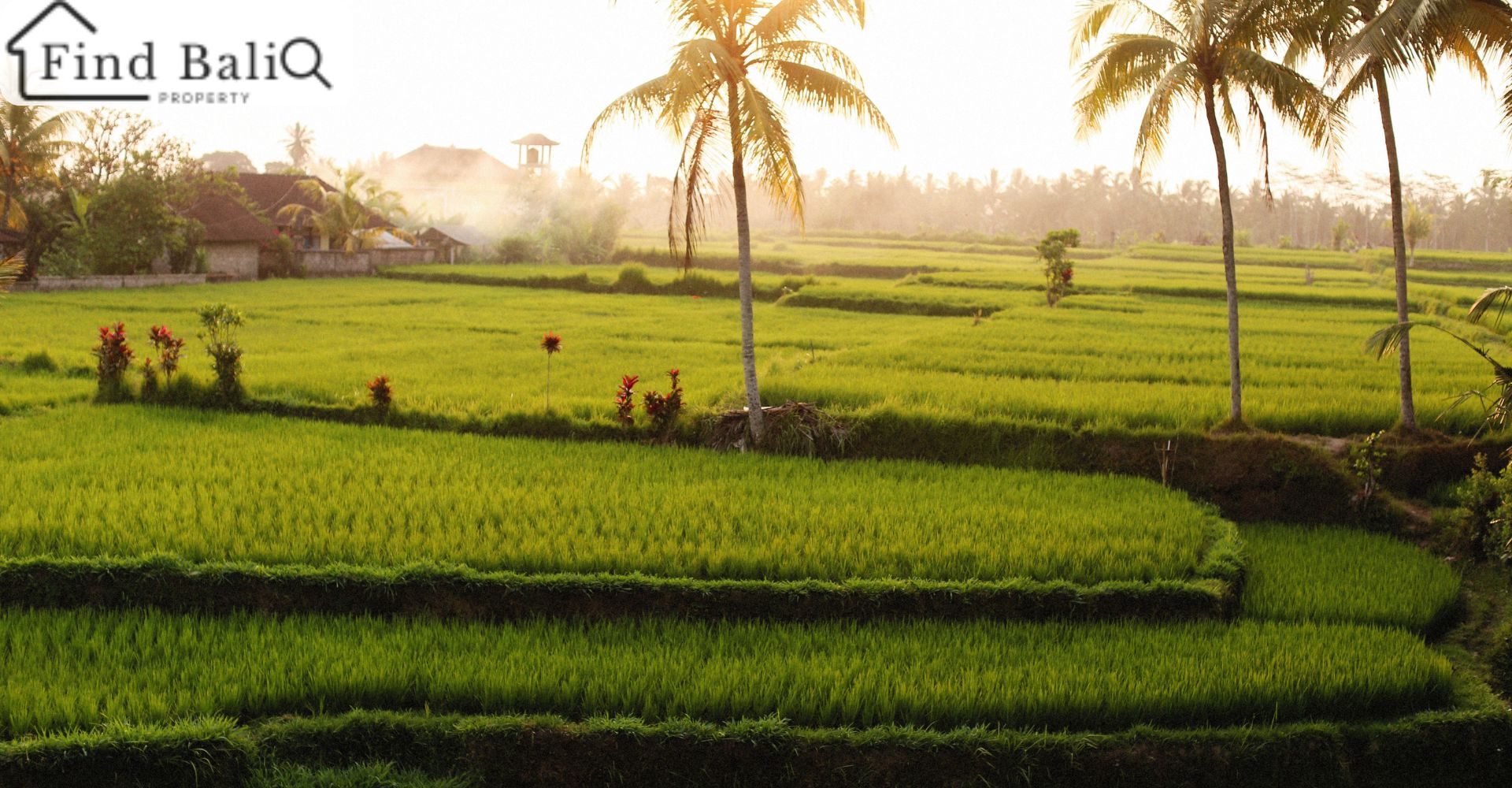
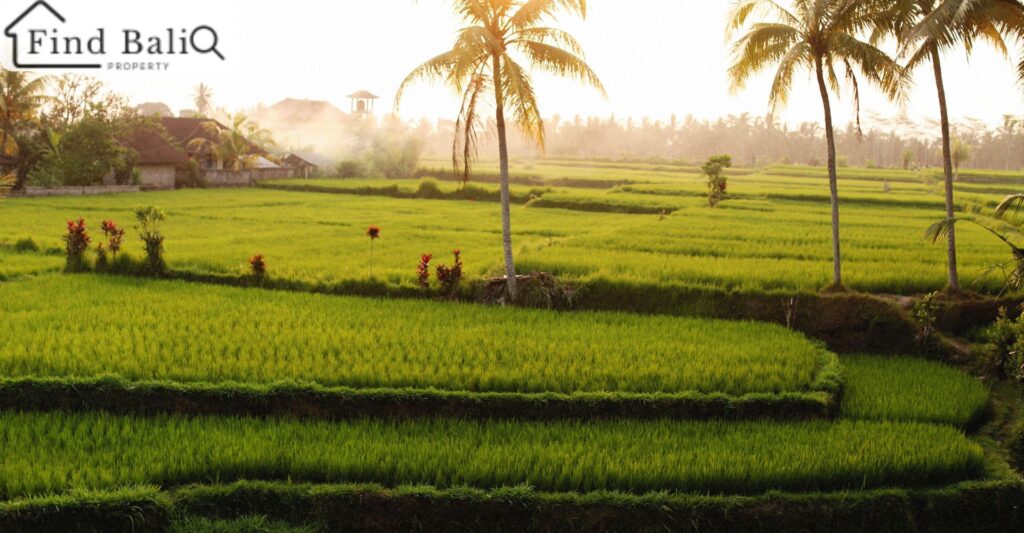
Green zones (agricultural and protected land): typically rice fields, plantations, and protected areas. Building villas or commercial structures is generally restricted or prohibited. Rice field land is protected, and conversion is tightly controlled.
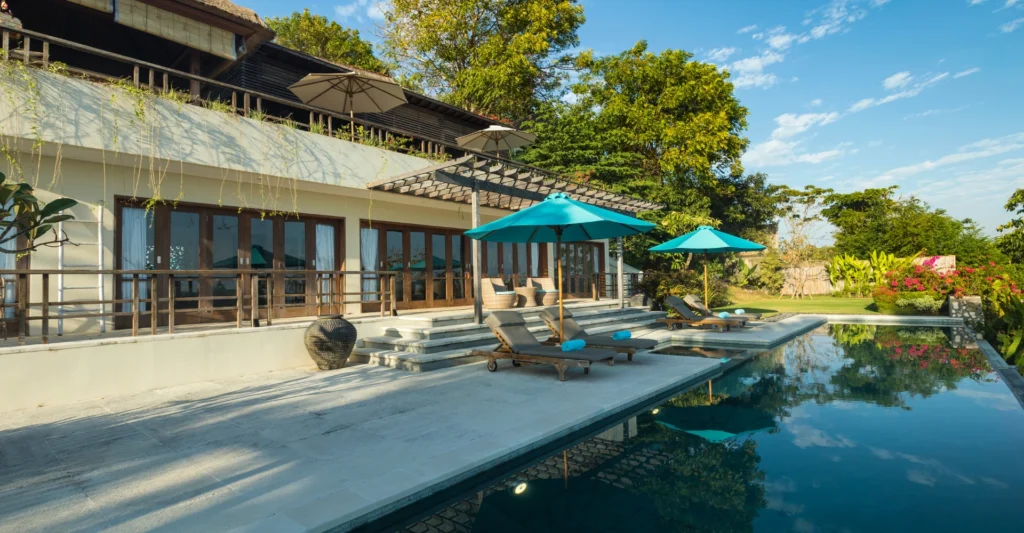
Yellow zones (residential): intended for housing. Villas for personal use are usually permitted, though short-term tourist rental may require additional licensing or may not be allowed depending on local rules.
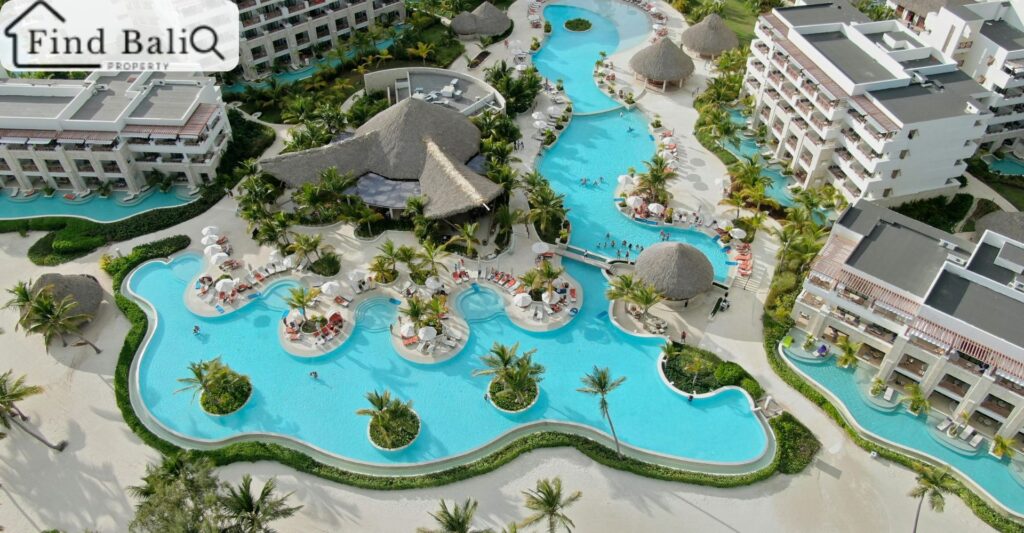
Pink zones (tourism and commercial): designated for hotels, resorts, restaurants, and tourist accommodation. Typically the safest zone for rental villas, but still subject to building rules.
Other zones: including coastal setbacks, riverbank buffers, temple radius areas, and conservation or forest land, each with their own limits.
KKPR: The Conformity Check That Matters
Indonesia’s land use conformity approval, known as KKPR, confirms that your intended use matches the zoning of the plot. It is the first approval in the permit chain, and the building permit (PBG) depends on it. Ask the seller for existing KKPR documentation, and have your own advisor verify it against the exact plot, not a similar one nearby. See our off-plan guide for how this plays out when buying before a villa is built.
Setbacks and Other Limits
Even in a permitted zone, rules limit what you can build. Common ones include setbacks from the beach, rivers, cliffs, and roads, building height limits (often around 15 meters), and coverage ratios that restrict how much of the plot can be built on. These affect your villa size and layout, so check them before you commit to a design. For permit costs and what needs approval, see renovating a villa in Bali and how much it costs to build.
How to Check a Plot’s Zoning
Get the exact plot details and certificate from the seller.
Ask your notary or consultant to confirm the zoning designation with the relevant local office or through the official online spatial planning system.
Request KKPR documentation and confirm it matches your intended use.
Check for setbacks, access requirements, and any restrictions from nearby temples or protected areas.
Put the confirmed zoning and permitted use in your purchase agreement as a condition.
Common Mistakes
Buying cheap land that turns out to be green zone.
Assuming a neighbor’s villa means your plot is also permitted.
Relying on the seller or agent’s verbal assurance about zoning.
Planning short-term rentals on land zoned only for private residential use.
Bottom Line
Check zoning first, before design, financing, or negotiation. A plot that is cheap because it cannot be built on is not a bargain. Pair this check with the wider land due diligence checklist.