Buying Property in Ubud: What Foreign Buyers Should Know
October 16, 2026
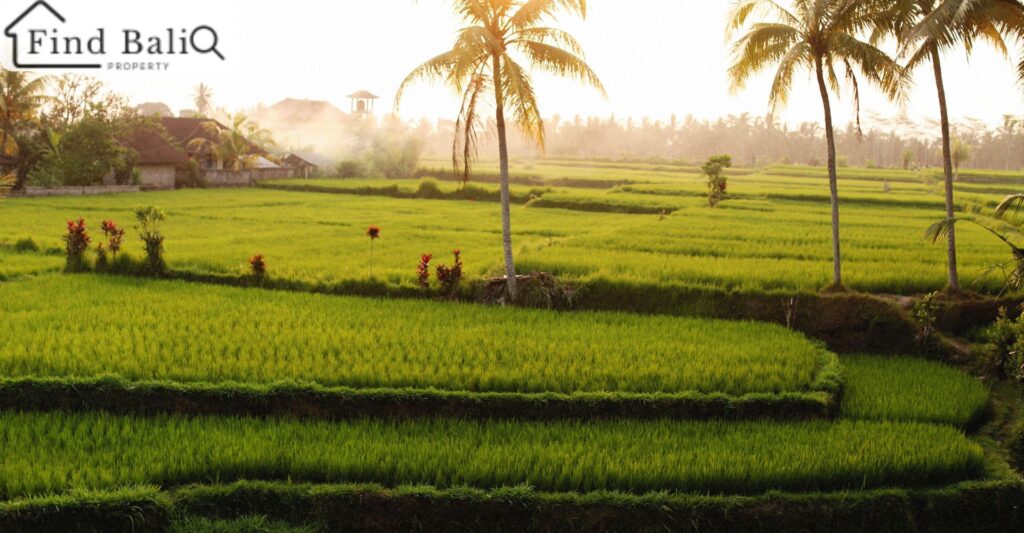
Ubud is Bali’s cultural heart, set among rice terraces, jungle valleys, and art villages. It attracts buyers who want a quieter, greener alternative to the southern beach areas. The market works differently from Canggu or Uluwatu, with different buyers, different risks, and a different rental profile. Here is what foreign buyers should understand before looking.
Why Buyers Choose Ubud
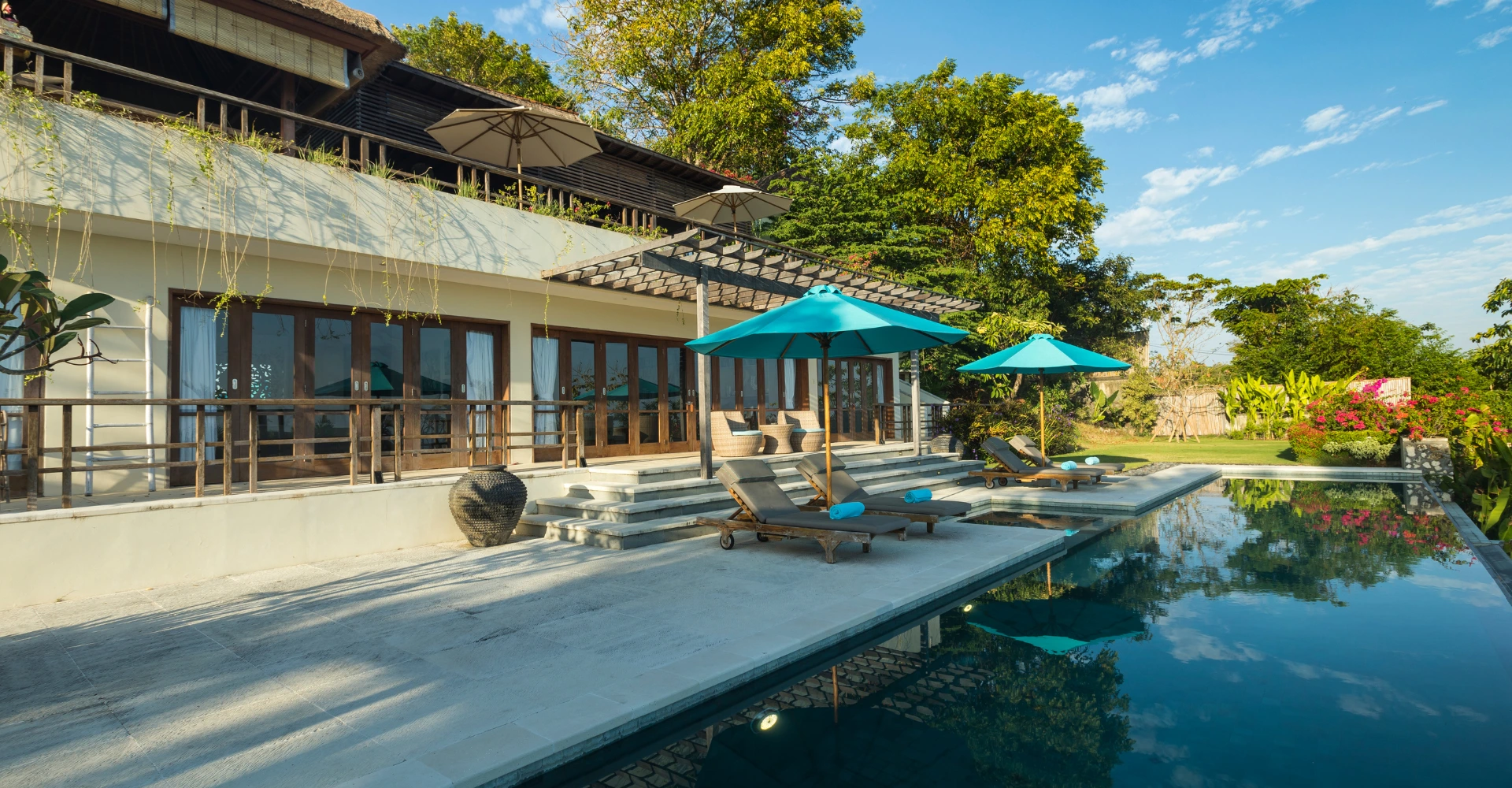
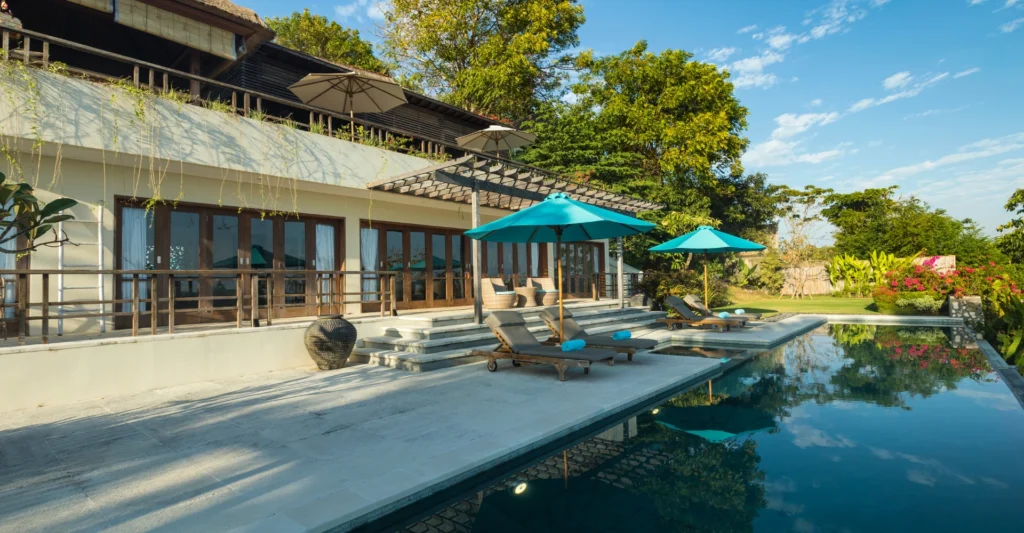
Ubud appeals to people who value wellness, culture, nature, and community over nightlife and beaches. It has strong demand from yoga and retreat travelers, long-stay visitors, and remote workers who want a calmer base. Villas with rice field or jungle views are especially sought after, and the area has a loyal repeat-visitor base.
Popular Areas Around Ubud
Central Ubud: walkable to cafes, shops, and the market, with the highest foot traffic and rental demand, but also more noise and traffic.
Penestanan and Sayan: quieter, scenic, and popular with long-stay guests and creatives.
Tegallalang, Payangan, and the north: dramatic valley and terrace views at lower prices, with longer drives to amenities.
Mas and Peliatan: traditional craft villages with a more local feel and good value.
Ownership Options for Foreigners
As elsewhere in Bali, foreigners cannot hold freehold land. Common routes are a leasehold, a Hak Pakai right, or holding through a PT PMA company. Because Ubud land is often agricultural or sits close to protected areas, check zoning carefully, since green zone land cannot normally be built on. Compare structures in PT PMA vs Personal Name.
Rental Potential
Ubud nightly rates are often lower than Canggu or Uluwatu, but longer average stays and repeat visits can keep occupancy steady, and long-term rentals are a realistic option. Properties with views, privacy, and good road access earn the most. See our comparison of rental yield by area and the rules in Bali short-term rental regulations.
What to Watch Out For
Access roads: many scenic plots sit down narrow lanes. Confirm legal access and that construction vehicles can reach the site.
Water and utilities: check water source and electrical capacity. See land due diligence.
Steep and river-edge land: slopes and riverbank setbacks limit what you can build and raise construction costs.
Humidity and maintenance: jungle settings mean higher upkeep for roofing, wood, and gardens.
Liquidity: Ubud’s buyer pool is smaller than the south, so resale can take longer.
Is Ubud Right for You?
Ubud suits buyers who want lifestyle, steady long-stay demand, and a calmer market, and who are comfortable doing extra due diligence on land and access. If maximum short-term occupancy is your goal, compare it against beach areas first. Whichever you choose, work with a reputable local adviser; see how to choose a real estate agent.